How to Get Your Garage Shop Ready for Fall: The Ultimate Uptime Checklist
As temperatures drop and customer demand ramps up, fall can either be your most profitable season or your most frustrating one. The difference lies in how well your shop prepares for the seasonal shift. Equipment that is overdue for maintenance, underperforming inflators, or disorganized bays can bring even a high-performing team to a grinding halt just when the rush begins.
At JA Auto Tech, we’ve spent decades supporting shops through the unique pressures of every season. We know that when the first frost hits, your shop needs to be a well-oiled machine. Here is a comprehensive guide to getting your equipment, your technicians, and your workflow fall-ready, ensuring you keep the work flowing and the revenue growing.
Inspect Your Lifts Before the Cold Sets In
Your lifts are the literal heart of your shop’s workflow—if they aren’t moving, your revenue isn’t moving. Cold weather presents unique challenges for hydraulic systems and mechanical components. Specifically, dropping temperatures can cause cables to contract and hydraulic fluid to thicken, which quickly turns minor underlying issues into major equipment failures.
Fall Lift Inspection Checklist:
- Inspect all lift cables thoroughly for signs of wear, fraying, or kinking.
- Test all locking mechanisms to verify they engage properly and consistently.
- Check hydraulic fluid levels and top them off with the correct grade for your environment.
- Look closely for any signs of rust, corrosion, or damaged rubber pads.
- Confirm that all lift points and swing arms move freely without binding.
Tech tip: Ensure your lift’s locking system is functioning perfectly before tire change season begins in full force. Operating a lift that isn’t safety certified puts your technicians’ safety and your shop’s compliance at risk.
If your car lift is due for its annual inspection, please don’t wait until it breaks down before taking action. JA Auto Tech offers comprehensive, documented inspections that meet all safety standards. Our factory-trained inspectors can assess lifts of any make, ensuring they comply with safety and insurance requirements, giving you peace of mind in high-pressure working environments and safeguarding your team’s safety.
Calibrate Your Wheel Aligner for “Alignment Season”
After a summer of long road trips, heavy suspension strain, and hidden potholes, customers will start noticing their vehicles pulling or vibrating as they head into the fall. This makes the autumn months prime time for alignment revenue. However, if your aligner’s sensors or software are even slightly out of spec, you’re setting your shop up for frustrating slowdowns or, worse, costly comebacks.
Alignment Season Prep:
- Calibrate all sensors and verify the accuracy of your targets.
- Run a full diagnostic check on the system and ensure all software is updated.
- Back up all your current alignment data and customer logs to prevent data loss.
The JA wheel alignment systems are designed for maximum scalability, from entry-level setups to fully automated advanced options. Because all our systems pair seamlessly with JA alignment lifts, your techs can achieve fast, accurate measurements with significantly fewer “do-overs”.
Test Your Tire Inflation System for Leaks and Accuracy
Basic physics dictates that when the temperature drops, so does tire pressure. This means your technicians are about to spend a significant portion of every shift chasing low TPMS lights. To prevent your air system from becoming a bottleneck, it must be tight, clean, and perfectly calibrated.
Inflation System Prep Checklist:
- Inspect all air hoses for leaks or signs of pressure weakness.
- Test your inflator chucks and pressure gauges against a master gauge for accuracy.
- Drain moisture from the air compressor tank and inspect all dryer filters.
- Clean or replace your inline regulators and oilers to ensure smooth tool operation.
Remember, slow leaks and moisture buildup do more than just slow down the line; they impact torque accuracy and can cause internal rust in your expensive pneumatic tools. A fast, accurate inflation setup is essential for keeping the bays moving.
Preventative Maintenance: Your Uptime Insurance
The worst time to fix a machine is when your bays are packed, and the schedule is full. A small part failure on a balancer or a tire changer can sideline an entire bay for days. Investing in preventative maintenance now is essentially buying “uptime insurance” for your busiest months.
Service Steps to Take This Month:
- Schedule professional maintenance visits for your tire changers, balancers, and aligners.
- Replace high-wear parts proactively, including duckheads, jaws, hoses, and grip pads.
- Review your equipment usage logs and inspect systems that have been under heavy load.
Through JA, we help shops drastically reduce downtime by offering scheduled service visits and on-demand support via a nationwide network of factory-trained technicians. This isn’t just a repair service—it’s a strategy to protect your shop’s total productivity.
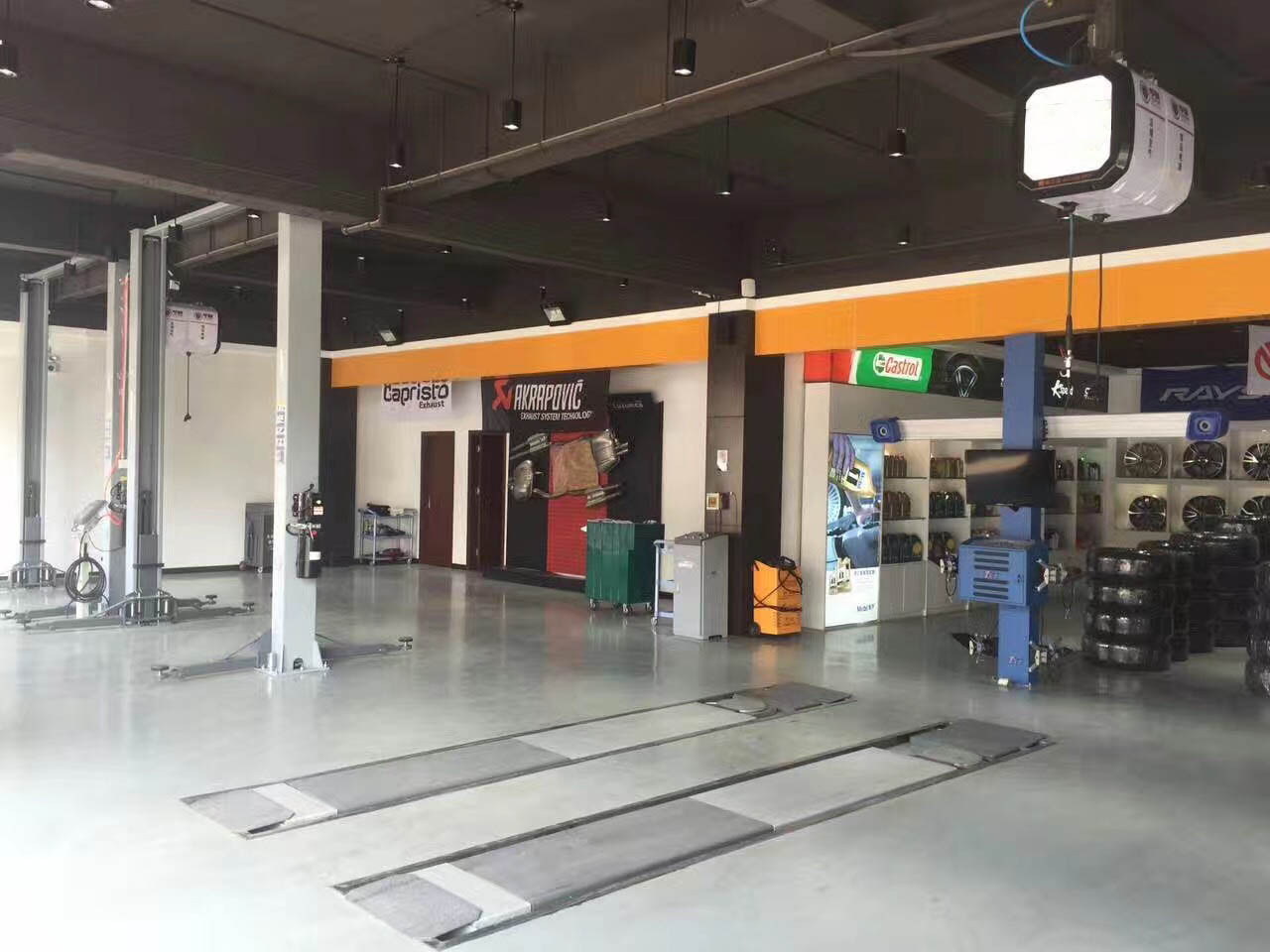
Organize Your Work Bays for High Volume
When the first cold snap hits, your shop will likely be flooded with customers seeking snow tires, battery swaps, and fluid checks. A cluttered or unorganized bay is a slow bay, and a slow bay costs you money. Use the calmer days of early fall to reconfigure your space for maximum turnaround speed.
Work Bay Fall Readiness Tips:
- Stock up on seasonal winter tires and accessories well before the rush.
- Clear out any unused tools or broken equipment that’s taking up floor space.
- Stage your most frequently used tools and machines as close to the bays as possible.
- Inspect your shop lighting; shorter days mean your techs will be spending more hours working under the hood in the dark.
At JA, we’ve observed consistently that a clean, organized bay leads to happier technicians, more cars out the door, and significantly fewer errors.
Don’t Let Fall Catch You Off Guard
This season brings both immense opportunity and immense pressure. Shops that take the time to prepare now are the ones that will run more cars through the bays and make the most of every customer interaction.
Fall Prep Recap:
- Inspect and test your lifts for cold-weather readiness.
- Calibrate your wheel aligner for the seasonal rush.
- Tune up your inflation system to handle TPMS volume.
- Schedule your preventative maintenance visits.
- Organize your bays to handle higher vehicle volume.
If you need help getting your shop ready, JA has your back. Our equipment—from tire changers and balancers to aligners and lifts—is engineered for real-world performance and backed by pros who understand exactly how work gets done. Reach out to us today to experience the JA difference.
FAQ (Frequently Asked Questions)
Q: Why does my shop need a certified lift inspection specifically in the fall?
A: Cold weather causes hydraulic fluid to thicken and metal components to contract. A certified inspection identifies these stress points before they lead to a mid-season failure, ensuring your shop remains both safe and compliant with OSHA and insurance standards.
Q: How often should I calibrate my wheel aligner during the busy season?
A: While you should perform a calibration check as part of your fall prep, high-volume shops should verify accuracy regularly. Ensuring your sensors and software are in spec prevents “do-overs” and keeps your technicians focused on moving vehicles through the bay.
Q: What are the most common “high-wear” parts I should replace on my tire changer now?
A: You should prioritize replacing duckheads, jaws, and grip pads. These components take the most abuse during the tire changer rush, and having fresh parts on hand prevents equipment from slipping or damaging customer wheels during high-volume periods.

Recent Posts

JA Auto Tech Shows off New Products at 139th Cantonfair
Which One Is Better for Garage: Two-Post Lift, Four-Post Lift, or Scissor Lift?